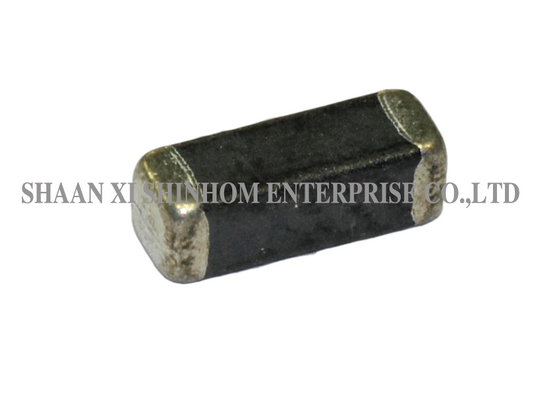
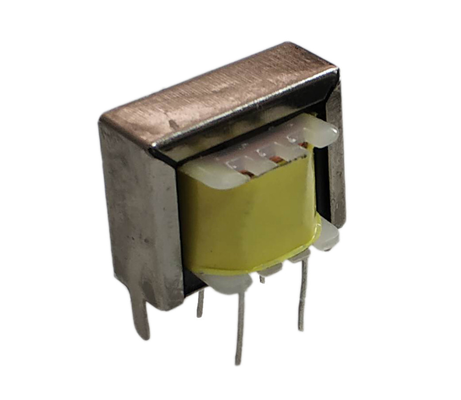
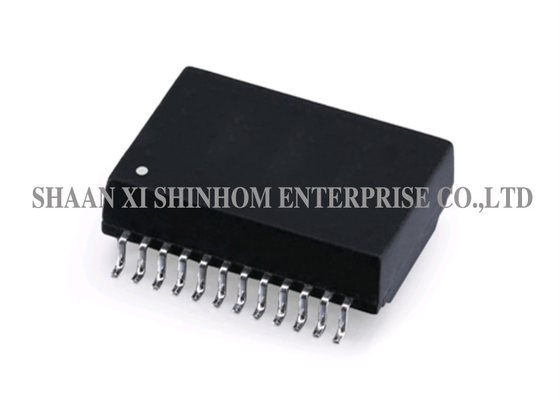
When designing a current sensing circuit, engineers often face a classic choice: use a proven and reliable Current Transformer (CT) or a simple and low-cost shunt resistor?
The answer is not always straightforward. The choice affects measurement accuracy, power loss, electrical isolation, system cost, and long-term reliability.
Core Differences
1. Current Transformer (CT)
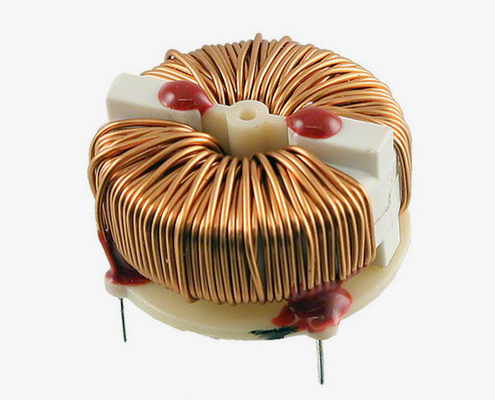
A Current Transformer operates based on electromagnetic induction.The primary current flows through a magnetic core, inducing a proportional current in the secondary winding. The original current is calculated according to the turns ratio.A CT provides inherent electrical isolation between the measured circuit and the monitoring circuit.
2. Shunt Resistor
A shunt resistor operates according to Ohm's Law.A low-value resistor is connected in series with the circuit. Current is calculated by measuring the voltage drop across the resistor.A shunt resistor does not provide electrical isolation.
Head-to-Head Comparison
| Comparison Item |
Current Transformer (CT) |
Shunt Resistor |
| Operating Principle |
Electromagnetic induction |
Ohm's Law |
| Electrical Isolation |
Built-in isolation |
No isolation, requires additional isolation circuitry |
| Current Type |
AC only |
AC and DC |
| Power Loss & Heat |
Very low power loss, minimal heating |
Higher power loss at high current levels |
| Accuracy & Linearity |
Excellent accuracy and linearity within rated range |
Affected by temperature drift |
| Size & Cost |
Larger size, higher cost |
Compact size, lower cost |
Advantages and Limitations
Current Transformer (CT)
Advantages
- Provides electrical isolation
- High safety in high-voltage applications
- Excellent accuracy and long-term stability
- Extremely low power consumption
Limitations
- Magnetic saturation may occur at high currents
- Can be affected by external magnetic fields
- Larger size and higher cost
- Primarily suitable for power-frequency and low-frequency AC applications
Shunt Resistor
Advantages
- Simple structure
- Low cost
- Small footprint
- Supports both AC and DC measurement
- No magnetic saturation issues
- Fast response time
Limitations
- No electrical isolation
- High-voltage circuits may pose risks to downstream electronics
- Significant heat generation at high current levels
- Temperature changes can introduce measurement errors
How to Choose?
The application determines the best solution.
When to Choose a Current Transformer (CT)
Current Transformers are preferred for:
- High-voltage, high-current AC systems
- Industrial motor drives
- Power grid monitoring
- Power protection systems
- Applications requiring electrical isolation
- High-accuracy energy metering
- Long-term reliable operation
Recommended SHINHOM Current Transformer Series
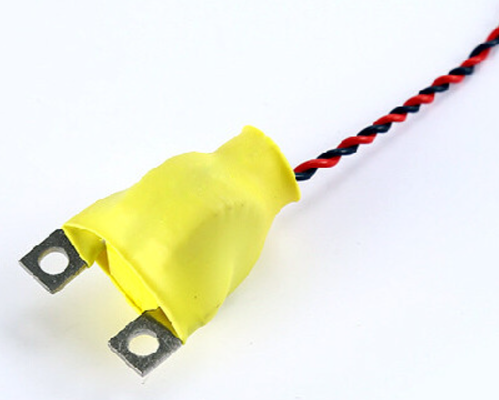
- Split-Core Current Transformers:Ideal for retrofit projects because installation does not require disconnecting the main circuit.
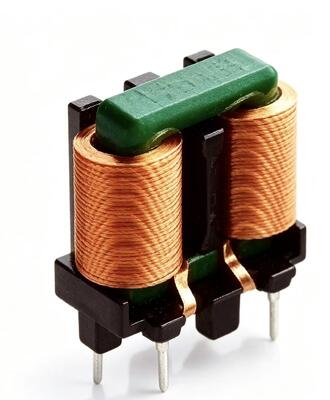
- PCB Mount Current Transformers:Suitable for switching power supplies and DC/DC converters.
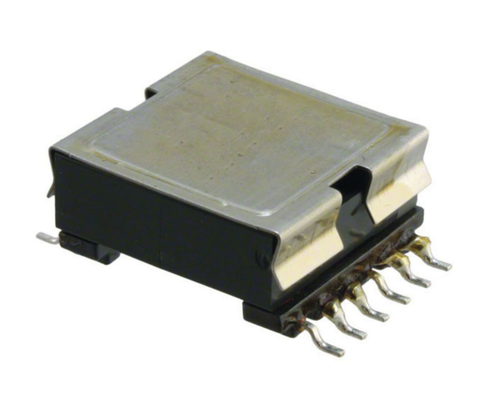
- SMD Current Transformers:Designed for high-density PCB assembly.
When to Choose a Shunt Resistor
Shunt resistors are preferred for:
- Low-voltage AC or DC systems
- Low-current applications
- Cost-sensitive designs
- PCB space-constrained designs
- Applications without mandatory isolation requirements
- Battery Management Systems (BMS)
- DC motor controllers
- Consumer electronics
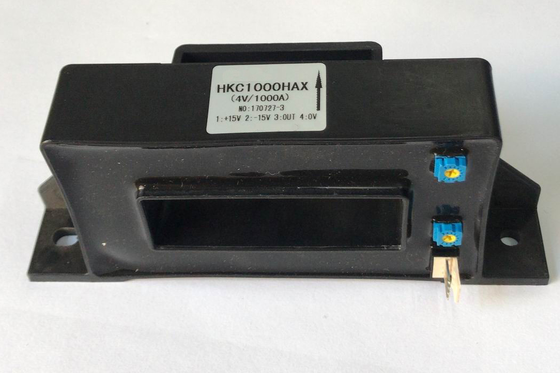
Current sensing solutions based on precision shunt resistors can be combined with isolation amplifiers for improved performance.For high-accuracy isolated current measurement, SHINHOM also offers the HBC100LAHS5 Hall-Effect Current Sensor.
Conclusion
Choose a Current Transformer (CT) for:
- High-voltage applications
- High-current AC measurement
- High safety requirements
- Long-term stability
Choose a Shunt Resistor for:
- Low-voltage applications
- Low-current measurement
- Cost-sensitive designs
- DC current measurement
Selecting the right current sensing technology can improve system performance, safety, and reliability while optimizing overall cost.

 Your message must be between 20-3,000 characters!