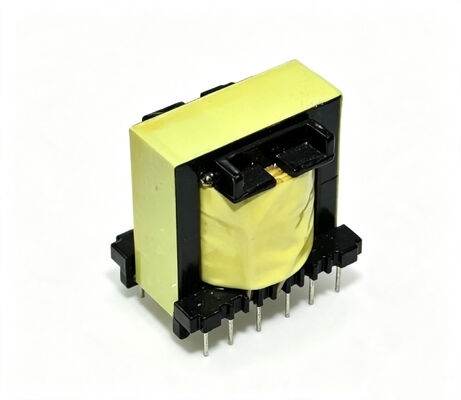
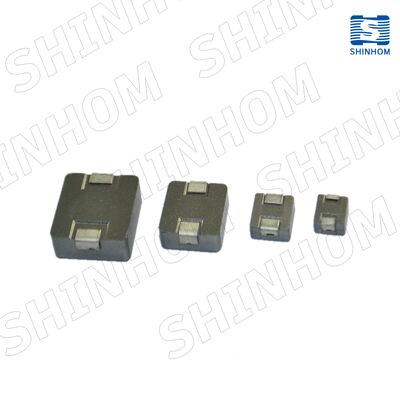
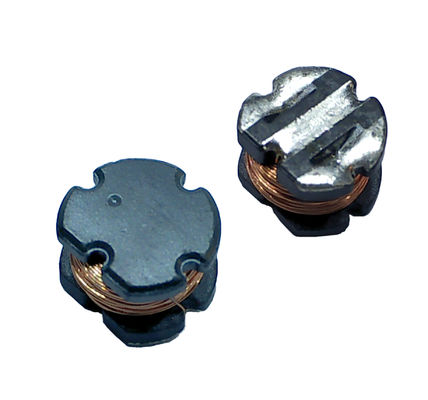
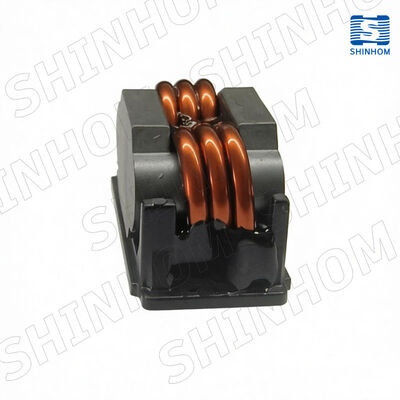
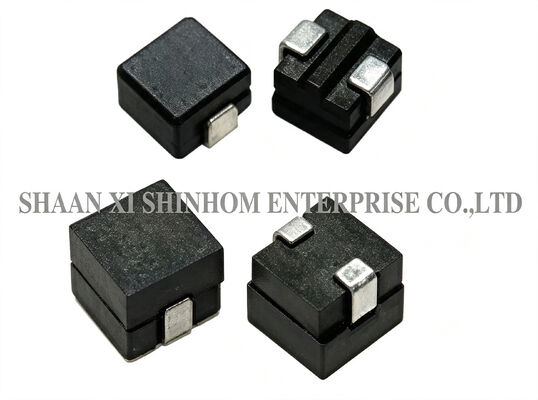
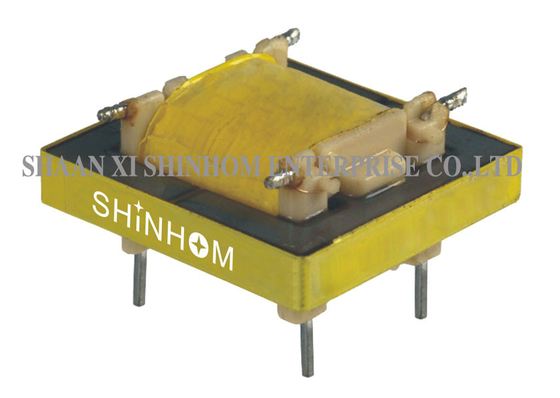
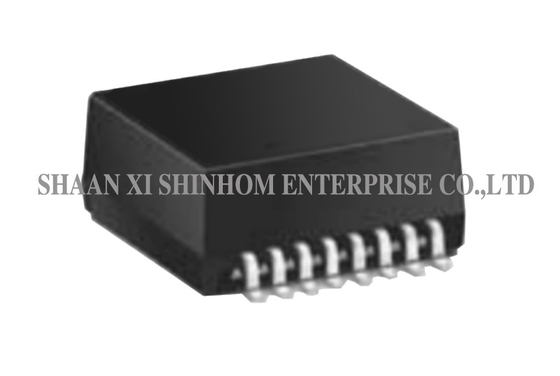
The PQ3220 switching power supply transformer uses a low-loss, high-saturation-flux-density ferrite core, specifically designed for high-frequency switching power supply applications. The product is compatible with multi-output switching power supplies and supports half-bridge and full-bridge topologies, providing high power output and a wide voltage range. It offers strong anti-interference capability, low distributed capacitance, low transmission attenuation, and a robust structure. Inductance is fine-tunable. It complies with relevant safety standards and RoHS environmental requirements. It is widely used in switching power supplies, chargers, alarm systems, TV/CRT monitors, UPS, VCD/DVD players, audio/video equipment, OA equipment, and inverters. It is also suitable for wave carrier filters, power transformers, and auxiliary power transformers in high-density mounting and good shielding applications.
FEATURES:
Applications
ABOUT US:
Shinhom Enterprise was founded in Xi'an China with nearly 20 years of experiencing of designing & manufacturing transformers & Coils components.
High quality, low cost and best service are what we pursuit most!
Meanwhile, the certification of ISO 9001 by SGS system was also earned.
Shinhom is to remain a specialist in designing and manufacturing high-performance transformers,power inductors, choke coils power supplies for purchasers around the world.
FAQ
Q: What topologies is the PQ3220 transformer suitable for?
A: The PQ3220 transformer is suitable for half-bridge and full-bridge topologies in switching power supplies. It can also be used in flyback power supply designs. The multiple topology compatibility makes it adaptable to various power conversion requirements.
Q: What are the characteristics of the core material used in this transformer?
A: The transformer uses a low-loss, high-saturation-flux-density ferrite core. It maintains low loss and high efficiency under high-frequency switching conditions, with excellent temperature stability to ensure long-term reliable operation.
Q: What are the advantages of supporting multiple outputs?
A: Multi-output design allows different voltage levels to be supplied from a single transformer. This reduces component count, saves PCB space, improves system integration, and lowers overall cost.