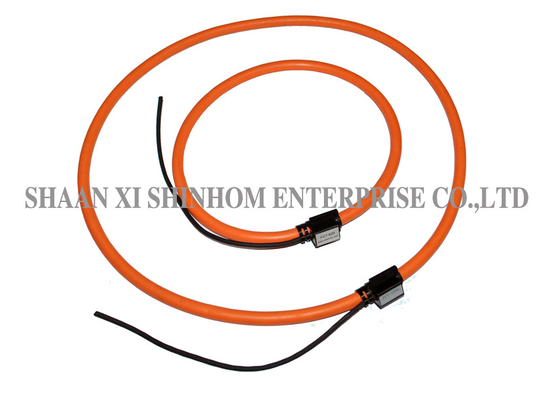
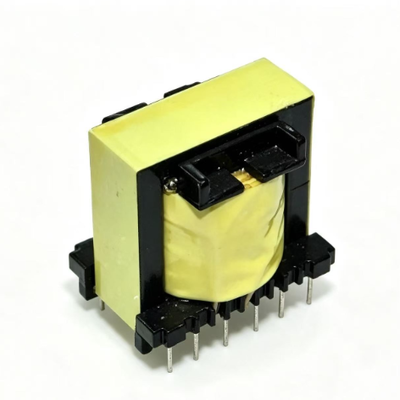
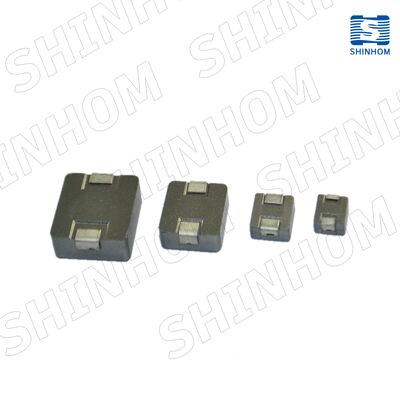
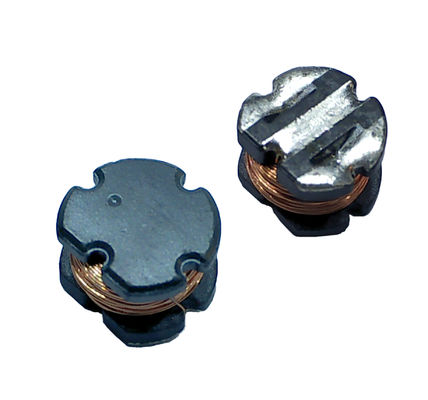
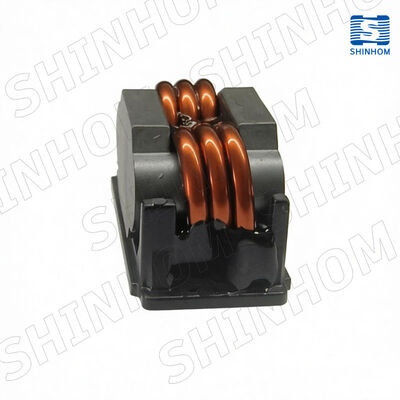
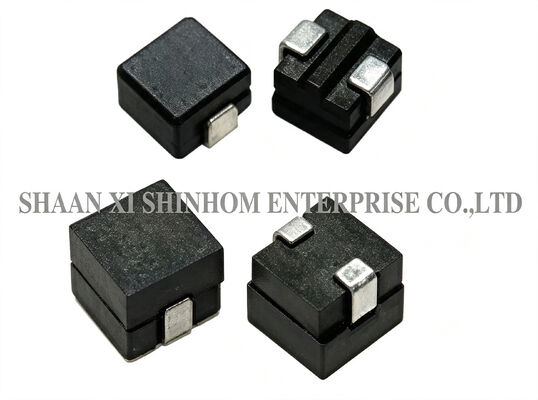
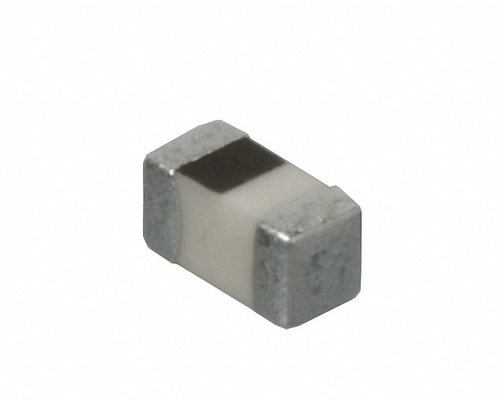
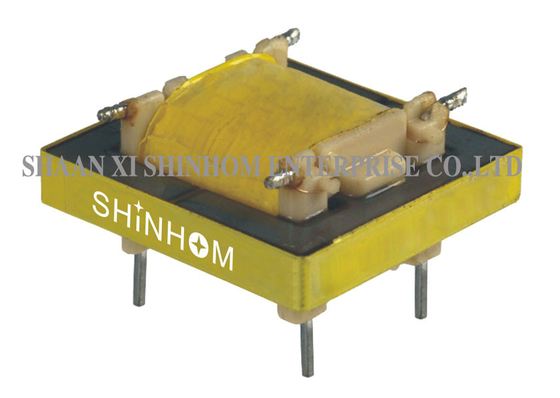
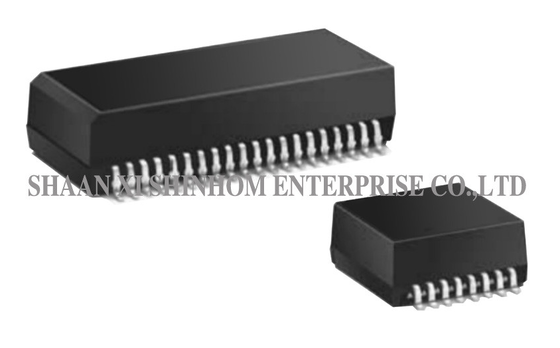
The SMD balun RF transformer series uses a bifilar winding process with enamelled copper wire, offering high stability and a low-profile design. It is suitable for automated SMT placement. Multiple balun transformer types are available, suitable for double-balanced mixers, couplers, broadband impedance matching transformers, power combining and dividing networks, directional couplers, and cable modems in RF applications. The enamelled copper wire winding ensures excellent RF performance and long-term reliability. It is widely used in wireless communication, RF front-ends, test and measurement, and broadband network equipment.
| Parameter | Value |
|---|---|
| Frequency | 5-1500MHz |
| Main line loss | 1.7dB Max(0.8dB Typ.) |
| Coupling | 16.0±0.8dB |
| Input return loss | 16.0dB Min(23dB Typ.) |
| Output return loss | 16.0dB Min(25dB Typ.) |
| Coupling return loss | 16.0dB Min(22dB Typ.) |
| Isolation | 20.0dB Min(30dB Typ.) |
| Operating temperature | -40℃ to 85℃ |
| Storage temperature | -55℃ to 100℃ |
Q: What is the main function of a balun transformer?
A: A balun transformer (Balun Transformer) is used for balanced-to-unbalanced conversion, converting balanced signals (differential signals) to unbalanced signals (single-ended signals), or vice versa. It is widely used in RF circuits, mixers, antenna feeding, and broadband matching networks.
Q: What are the advantages of the bifilar winding process?
A: Bifilar winding involves winding two enamelled copper wires side by side. This ensures tight coupling between the two windings, improving common-mode rejection ratio and phase/amplitude balance, thereby enhancing the high-frequency performance and stability of the balun transformer.
Q: What are the advantages of enamelled copper wire compared to ordinary copper wire?
A: Enamelled copper wire has an insulating enamel coating on the surface, ensuring electrical insulation between windings. It allows tight winding without short-circuit risks, while providing good high-frequency characteristics and heat resistance.