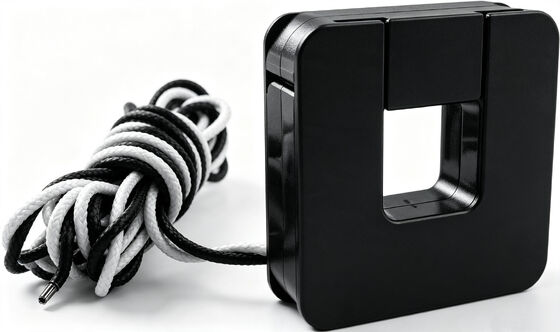
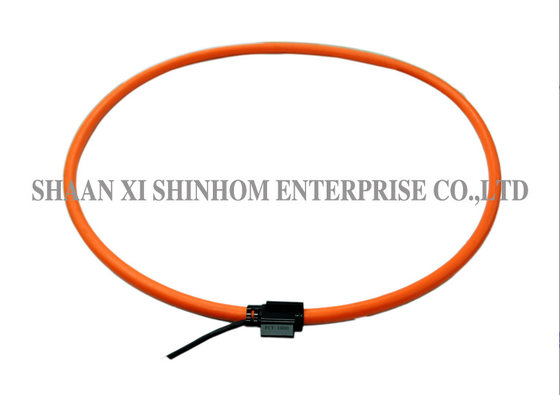
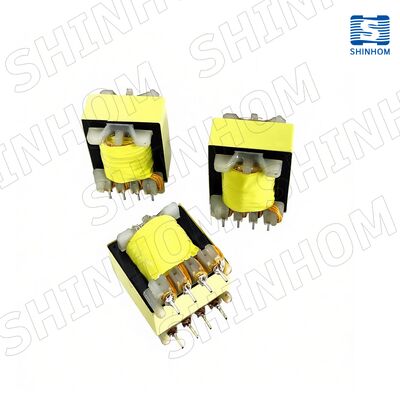
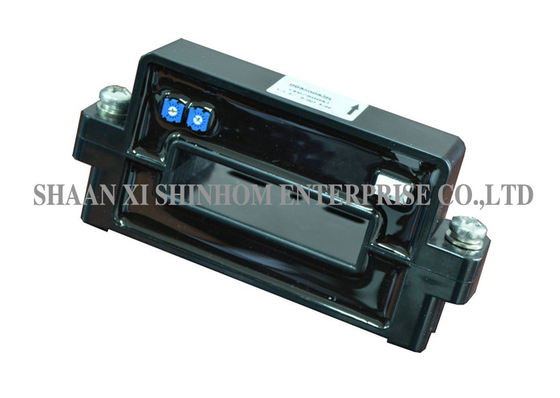
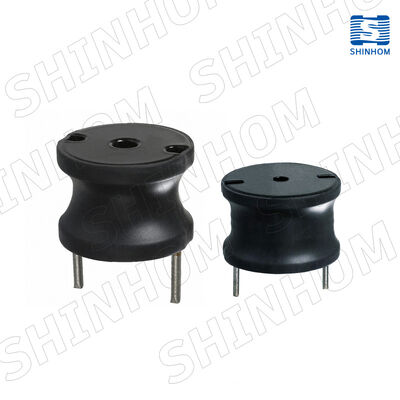
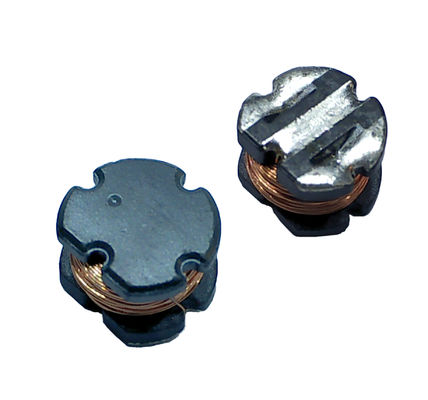
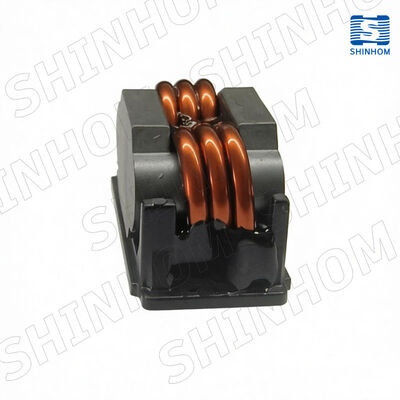
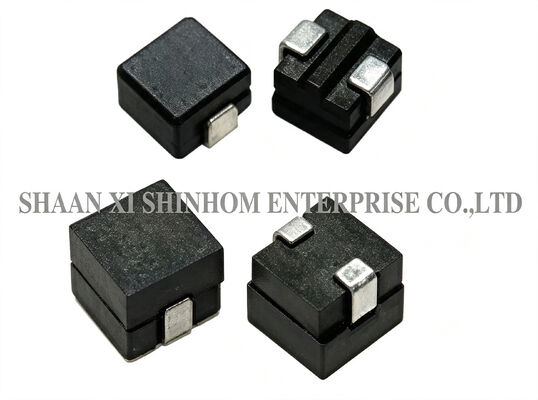
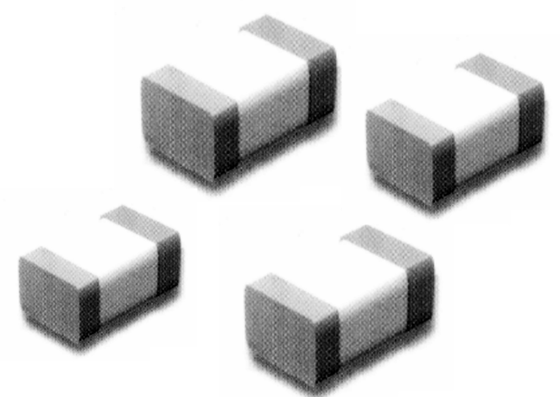
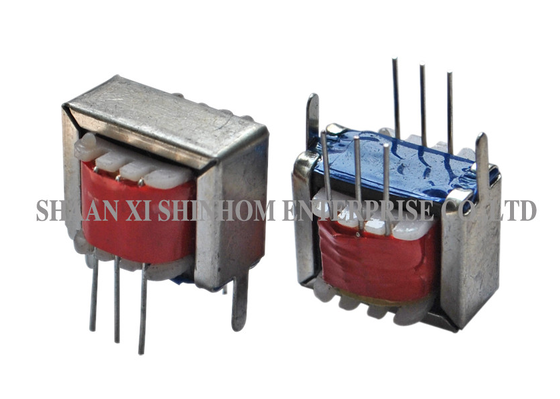
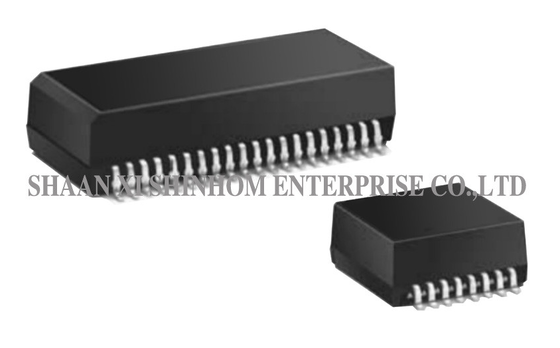
The low-loss toroidal common-mode choke uses a toroidal core and split-winding design. It offers very low inter-winding capacitance. The single-layer winding ensures the highest common-mode impedance across a wide frequency range. The frequency response covers 50Hz to 500KHz, suitable for low-frequency AC reactors and various power filtering applications. It supports vertical or horizontal mounting. Vertical pin mounting allows easy PCB assembly and provides excellent vibration resistance. It is widely used in solar power generation, wind power generation, variable frequency drives, induction heating, welding equipment, RFI suppression, and DC-DC conversion.
![]()
Note: Product specifications can be customized.
Q: What are the advantages of the split-winding design?
A: Split-winding places the primary and secondary windings physically separated on the core. This effectively reduces parasitic capacitance between windings and reduces capacitive coupling paths for high-frequency noise. This improves common-mode noise suppression, especially in the high-frequency range.
Q: What are the advantages of single-layer winding compared to multi-layer winding?
A: Single-layer winding eliminates inter-layer parasitic capacitance. It provides higher common-mode impedance and more stable filtering performance across a wide frequency range. The single-layer structure also offers better heat dissipation and more consistent winding, making it suitable for power designs with strict EMI suppression requirements.
Q: What is the significance of 1-3mm creepage distance for safety standards?
A: Creepage distance is the shortest distance measured along the insulation surface. It directly affects the insulation level and safety certification of the product. The 1-3mm creepage distance meets UL, CSA, and IEC standards for basic and reinforced insulation, helping customers pass safety certification.
Q: How to choose between vertical and horizontal mounting?
A: Vertical mounting (pins downward) saves PCB space and is suitable for high-density layouts. Horizontal mounting (pins sideways) reduces overall height and is suitable for low-profile designs. Both mounting types support automated insertion.