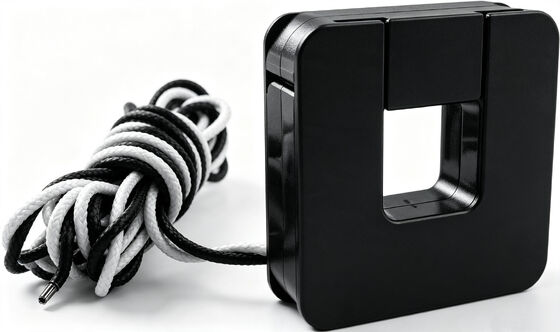
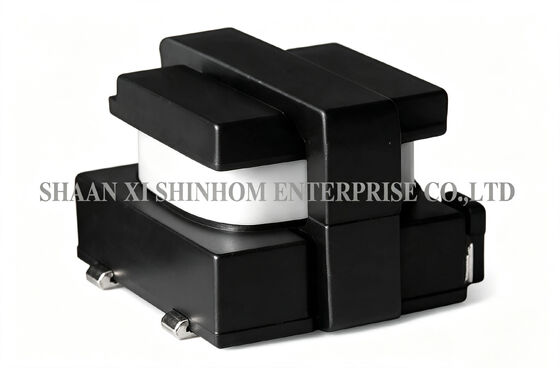
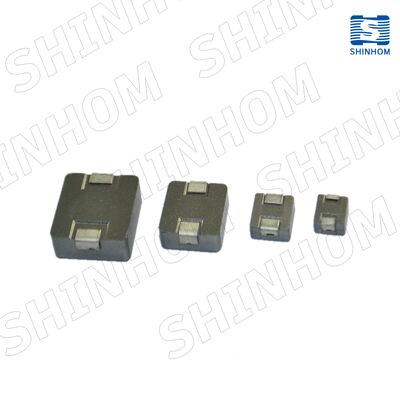
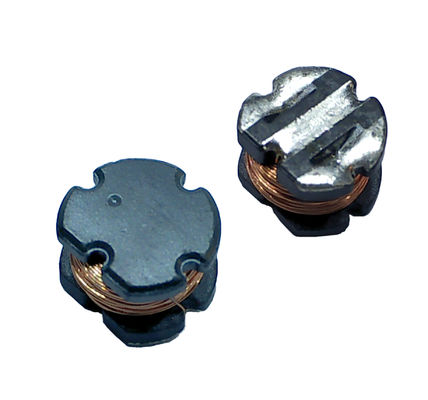
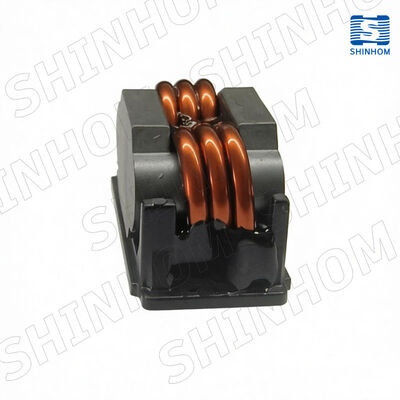
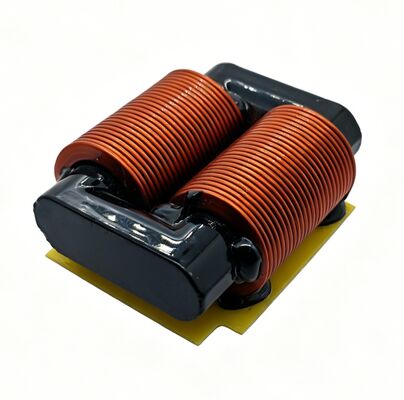
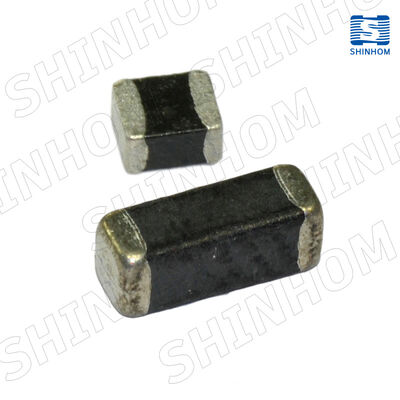
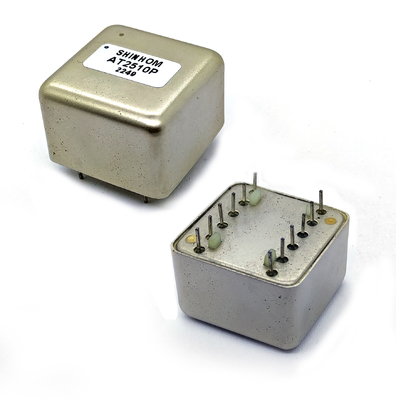
The SPI-C series ceramic-base flat SMD power inductor uses a ceramic substrate design, offering excellent heat resistance and low DCR. The ceramic substrate provides a good heat dissipation path, ensuring controlled temperature rise under high-current conditions. It is also compatible with reflow soldering. The low-profile package saves PCB space. The unshielded open structure offers cost advantage as its core competitiveness. Rated current is defined as the DC current value at which inductance drops by 10%. It is widely used in DC-DC converters, set-top boxes, laptops, and servers.
![]()
![]()
![]()
Note: Product specifications can be customized.
A: The ceramic substrate offers excellent thermal conductivity and heat resistance. It effectively transfers heat generated by the coil to the PCB, reducing hot spot temperatures. In high-current applications, the ceramic substrate provides a better heat dissipation path, ensuring the inductor maintains stable performance at high temperatures while improving heat resistance during reflow soldering.
A: Traditional inductors typically use resin or ferrite substrates, which have relatively limited thermal conductivity and heat resistance. The ceramic substrate offers higher thermal conductivity and heat resistance, resulting in lower temperature rise and higher reliability under high-current conditions. It is especially suitable for high-power-density and high-temperature environment applications.